VIP member

Single ended electric heating tube
Single ended electric heating tube
Product details
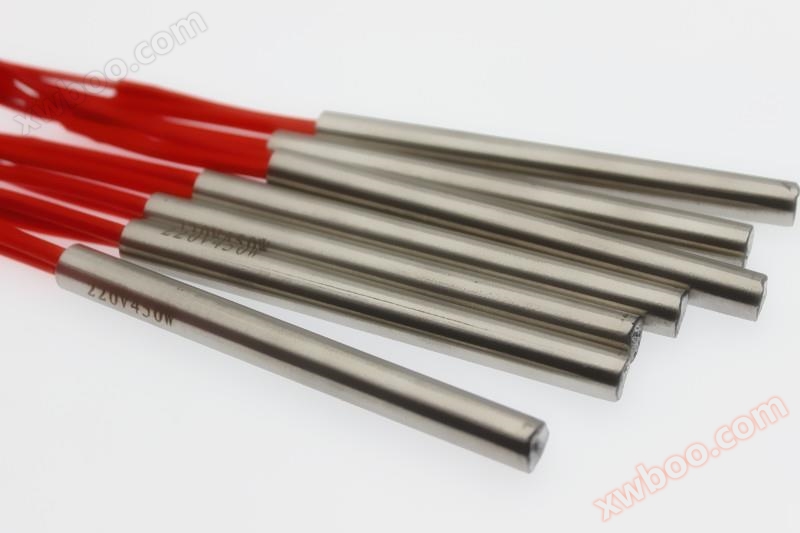
A single ended electric heating tube with a wiring plug is made by inserting a metal tube into a high resistance electric heating alloy wire to generate heat. It is filled and enriched around the electric heating wire, with outstanding insulation function, and can use high-purity magnesium oxide with high thermal conductivity as the filling material. It has high power, high thermal efficiency, and fast heat dissipation, and can be used for heating plastic packaging, small mold heating, analytical instruments, and various gas expansion cooling effects.
Selection criteria for single ended electric heating tubes with wiring plugs:
Temperature resistance and corrosion resistance: For low-temperature pipes, BUNDY, aluminum pipes, and copper pipes are generally used. For high-temperature pipes, stainless steel pipes and Ingrid pipes are generally used. In severe water conditions, PTFE electric heating pipes and stainless steel coated electric heating pipes can be used. Stainless steel coated electric heating tubes can be used in situations with poor water quality. The Ingersoll Rand 840 electric heating tube has good oxidation resistance and corrosion resistance under high temperature operation. Generally, Ingersoll Rand code pipes are replaced with domestic 2520 raw materials, which have the same effect.
Functional indicators of single ended electric heating tube with wiring plug:
1. Heating time: Under the experimental voltage, the time for the component to rise from the ambient temperature to the experimental temperature should not exceed 15 minutes;
2. Rated power error: Under sufficient heating conditions, the error of the rated power of the component should not exceed the range specified below, with a tolerance of ± 10% for components with a rated power of less than or equal to 100W. For components with a rated power greater than 100W, the larger of+5% to -10% or 10W shall be taken;
3. Insulation resistance: During factory inspection, the cold insulation resistance should not be less than 50M Ω;
Precautions for using single ended electric heating tubes with wiring plugs:
1. During the use of high wattage density single ended electric heating tubes, due to their quick heating and poor heat dissipation conditions, the external stainless steel tube body of the electric heating often becomes blackened, oxidized, and deformed, resulting in the formation of internal heating elements - electric heating alloy wires that melt due to high temperature air burning, shortening the life of the single ended electric heating tube itself. Therefore, excellent single ended electric heating tubes not only require good production quality, but also require the raw materials and processing aperture of the mold (the closer the aperture is to the diameter, the better). The appropriate aperture is not only convenient for replacing the single ended electric heating tube, but also conducive to the conduction of thermal energy between the two, thus extending the service life of the electric heating tube itself.
2. Attention should be paid to precision in deep hole machining of molds. Drilling at both ends is not allowed, as there are large pores at the junction that cannot be tightly sealed, resulting in poor heat dissipation of the heating tube and uneven temperature of the heated material.
3. Attention should be paid to the magnesium oxide powder at the outlet of the electric heating tube. It should not be contaminated or contain moisture in the application area to prevent leakage. It is best to reserve 5mm outside the mold.
4. When starting up, it is best to preheat the electric heating tube for 5 minutes to avoid the risk of leakage due to humid air or moisture entering the tube. It is necessary to install a grounding wire when using electric heating machinery.
The most intuitive way to verify the quality of a single ended electric heating tube with a wiring plug is to first wipe the surface of the electric heating tube clean, then connect it to a 220V power supply, dry burn it in air, turn the surface red, and then turn off the power. After the electric heating tube is completely cooled, wipe it with a napkin. If there is no black oxide powder on the white paper (which has not reacted with oxygen in the air), it indicates that this electric heating tube is a high-quality electric heating tube.
Planning and customization of single ended electric heating tubes with wiring plugs:
1. Voltage and power.
2. The diameter of the pipe can be adjusted to 5.5-30mm according to customer requirements.
3. Length of pipe body: Non standard customization (minimum 30mm).
4. Raw materials for electric heating tubes: The primary raw materials include 10 # carbon steel SUS304、SUS321、SUS316L、 Stainless steel with coating (waterproof scale treatment), SUS310S (commonly known as 2520), titanium pipes, etc.
5. Selection of electric heating wires: generally iron chromium aluminum wire (Beijing Shougang), nickel chromium wire (usually H140, 2080 resistance wire, etc.). The selection of these two depends on the customer's working environment (temperature and vibration).
6. Other: working environment, length of terminal posts or leads (conventional: 200mm), whether thread installation is required (thread size), diameter and length of metal hoses, etc.
Online inquiry
-
Contacts
-
Company
-
Telephone
-
Email
-
WeChat
-
Verification Code
-
Message Content
-