
VIP member

Injection specific mold temperature machine
The thermal balance control of injection molds and the heat conduction between injection molding machines and molds are key to producing injection mol
Product details
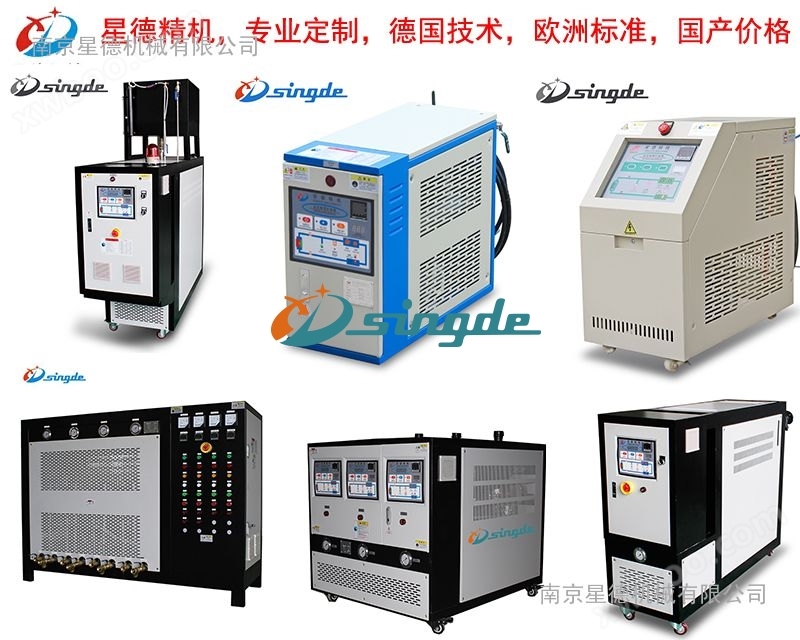
The function of the injection molding dedicated mold temperature machine is to control the temperature of the mold during the processing, maintain its stable operation, ensure the stable quality of the injection molded parts, and optimize the processing time. It can be heated up or down, and the oil or water is heated to the optimal temperature necessary for product molding. It is then sent into the internal flow channel of the mold to quickly increase the mold temperature, improve molding efficiency, ensure product quality, and shorten molding time.

The injection molding dedicated mold temperature machine is a mold temperature control machine designed specifically for injection molding. There are two types of temperature machines, water temperature machine and oil temperature machine, depending on the heat transfer medium. The selection is based on the different injection molded parts and temperature requirements.
1. The thermal balance control of injection molds and the heat conduction between injection molding machines and molds are key to producing injection molded parts. The heat generated by plastic (such as thermoplastic) inside the mold is transferred to the material and steel of the mold through thermal radiation, and to the thermal fluid through convection. In addition, heat is transferred to the atmosphere and mold frame through thermal radiation. The heat absorbed by the thermal fluid is carried away by the mold temperature machine.
2. The purpose of controlling mold temperature and its impact on injection molded parts. In injection molding process, the main purpose of controlling mold temperature is to heat the mold to the working temperature and maintain a constant mold temperature at the working temperature. Excessive or insufficient mold temperature can have different effects on different materials.
3. The preparatory condition for effectively controlling the temperature of the mold is that the temperature control system consists of three parts: the mold, the mold temperature machine, and the heat transfer fluid.
In order to ensure that heat can be added to or removed from the mold, all parts of the system must meet the following conditions:
1. The surface area of the cooling channel inside the mold must be sufficiently large;
2. The mold temperature machine must be able to keep the temperature of the heat transfer fluid constant within the required temperature range;
3. The thermal fluid of the injection molding special mold temperature machine must have good thermal conductivity and be able to export or import a large amount of heat in a very short time. From a thermodynamic perspective, water is clearly better than oil.

Online inquiry
-
Contacts
-
Company
-
Telephone
-
Email
-
WeChat
-
Verification Code
-
Message Content
-