
VIP member
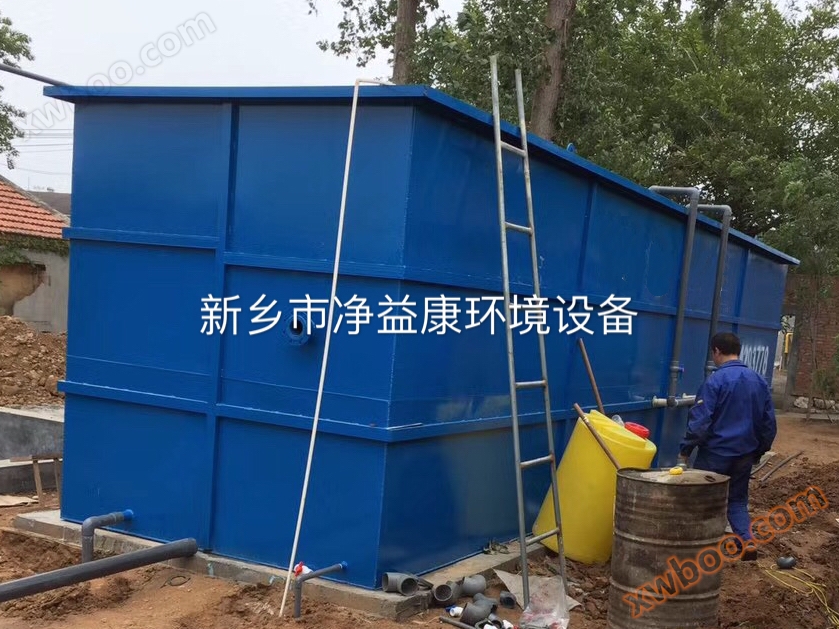
Henan electroplating wastewater treatment manufacturer
Henan electroplating wastewater treatment manufacturer
Product details
The quality of electroplating wastewater is relatively complex and the concentration is relatively high. During the electroplating process, the original components will be pickled, leaving behind heavy metal substances such as iron, zinc, lead, mercury, etc. Then comes the electroplating process. According to different needs, there are galvanizing, tin plating, nickel plating, and so on. The country has strict requirements for wastewater in the electroplating industry, with zero emissions, zero pollution, and zero tolerance. In today's environment where environmental protection is so strict, do you still consider using environmental pollution to develop the economy? Then you need to change your mindset. As is well known, the treatment cost of high difficulty wastewater may also be high, but for some small and medium-sized electroplating factories, such a large investment is definitely not affordable. Xinxiang Jingyikang Environmental Equipment Co., Ltd. provides you with the following economical and practical solutions for your reference.
Take galvanizing as an example, overall the water volume is not large, and the water is not changed every day. In the case of environmental protection and non discharge, we can consider reuse. The wastewater is subjected to homogenization regulation, pH regulation, dosing device, flocculation and sedimentation. The supernatant is relatively clear. It can continue to be reused for rinsing the original components. This cycle repeats itself, with low investment costs, simple processes, low investment, and zero pollution and emissions. Fully meets the challenges faced by small and medium-sized electroplating enterprises at present
Online inquiry
-
Contacts
-
Company
-
Telephone
-
Email
-
WeChat
-
Verification Code
-
Message Content
-