
VIP member
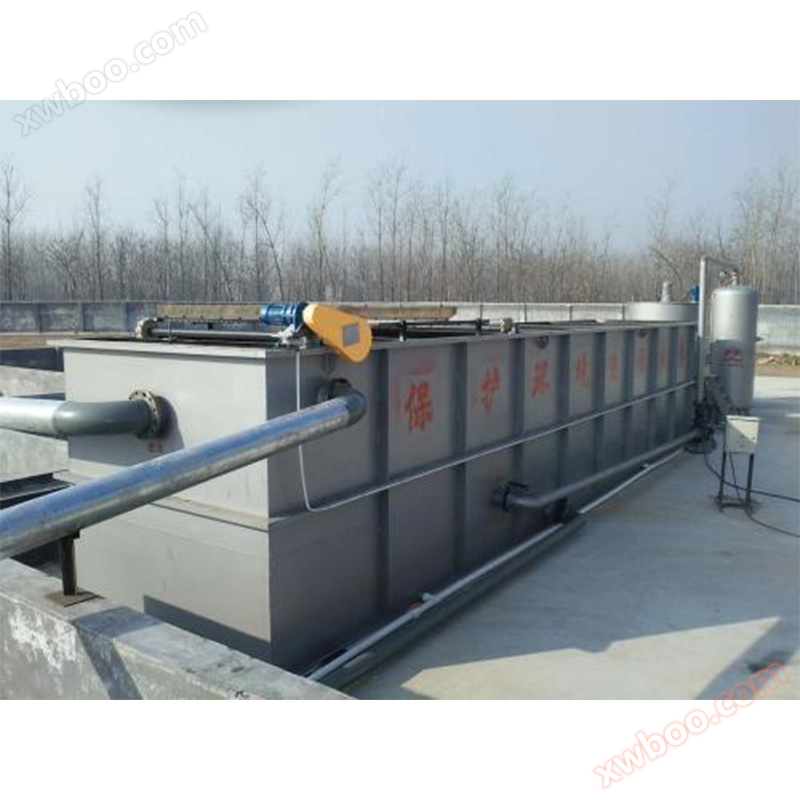
FLOM - Food Wastewater Treatment Equipment
Producing various organic foods, the wastewater contains a certain amount of oil and fat, and the main pollutants are ss, cod, bod5, tp, and a small a
Product details
Processing Technology
Wastewater - Grille - Oil Separation Tank - Ao Biochemical Tank - Contact Oxidation Tank - Diagonal Tube Sedimentation Tank - RO Reverse Osmosis System - Clear Water Discharge
● Grille
The grid channel is set at the inlet end of the sewage source in the regulating pool, with consideration given to saving land and investment in the design. Artificial grids are installed in the grid channel to intercept and remove large suspended solids and paper scraps from domestic sewage, protecting the water pump and subsequent pipeline system from blockage.
● Oil separation regulating tank
A sewage oil separation regulating tank is installed throughout the entire treatment system. By adjusting the pool settings, water quality and quantity can be fully balanced, allowing sewage to enter the subsequent treatment units more evenly, improving the impact resistance of the entire system, and reducing the design scale of the treatment units.
● Hypoxia pool
Due to the high content of organic nitrogen in domestic sewage, it will appear in the form of ammonia nitrogen during biodegradation. Therefore, the indicators of ammonia nitrogen discharged into water will increase, and ammonia nitrogen is also a pollution control indicator. Therefore, an anoxic tank is added before the contact oxidation tank. The anoxic tank can use the nitrate brought in by the reflux mixture and the organic carbon source in the influent for denitrification, reducing NO2- and NO3- in the influent to N2 to achieve denitrification, and degrading the ammonia nitrogen value while removing organic matter.
● Contact oxidation tank
After being treated in the anoxic tank, the sewage flows into the contact oxidation tank and enters the contact oxidation stage, that is, enters aerobic treatment.
The contact oxidation tank is a biological treatment device mainly based on biofilm method with active sludge. By providing an oxygen source, organic matter in sewage is adsorbed and degraded by microorganisms, thus purifying the water quality.
● Sedimentation tank
After contact oxidation, the sewage carries a small amount of activated sludge and metabolic biofilm generated during the oxidation process, as well as a small amount of solid matter that cannot be biodegraded, and enters the secondary sedimentation tank for solid-liquid separation. Make the water clear and discharge. The sedimentation tank adopts an inclined tube type with a total residence time of 4.0 hours. All the settled sludge is returned to the sludge tank for further digestion to reduce the remaining sludge. The water outlet is designed as a tooth shaped collection tank with adjustable liquid level to increase sedimentation effect.
Online inquiry
-
Contacts
-
Company
-
Telephone
-
Email
-
WeChat
-
Verification Code
-
Message Content
-