
VIP member
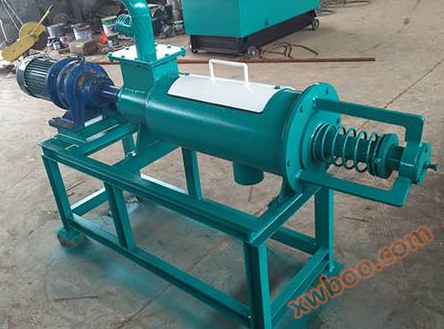
Diaphragm filter press solid-liquid separation equipment
The diaphragm press filter press is composed of a diaphragm plate and a box type filter plate arranged to form a filter chamber. Under the pressure of
Product details
One feature
The diaphragm press filter press is composed of a diaphragm plate and a box type filter plate arranged to form a filter chamber. Under the pressure of the feeding pump, the slurry is input into the filter chamber, and the solids and liquids in the slurry are separated through the filter medium (filter cloth). When the solids in the slurry form a cake, air is then introduced into the diaphragm to fully press the solids in the filter chamber and reduce the moisture content. For users who require high moisture content and filtration of viscous materials, this machine has unique characteristics. The filter plate is made of reinforced polypropylene by compression molding, and the diaphragm and polypropylene plate are embedded together, which is sturdy, reliable, not easy to fall off, and has a long service life.
 II working principle
The main difference between diaphragm filter press and ordinary box filter press is the installation of an elastic membrane diaphragm plate between the filter plate and the filter cloth. During operation, when the feeding is completed, high-pressure fluid medium can be injected between the filter plate and the diaphragm. At this time, the entire diaphragm will bulge and compress the filter cake, thereby achieving further dehydration of the filter cake, which is called press filtration.
Firstly, positive pressure dewatering, also known as slurry dewatering, is a process in which a certain number of filter plates are tightly arranged in a row under strong mechanical force, forming a filter chamber between the filter plates. The filter material is sent into the filter chamber under strong positive pressure, and the solid part of the filter material entering the filter chamber is intercepted by the filter medium (such as filter cloth) to form a filter cake. The liquid part passes through the filter medium and is discharged from the filter chamber, thus achieving solid-liquid separation. With the increase of positive pressure, solid-liquid separation becomes more thorough. However, from the perspective of energy and cost, excessively high positive pressure is not cost-effective.
After the slurry is dehydrated, a pressure filter equipped with a rubber extrusion membrane is used. The compressed medium (such as gas and water) enters the back of the extrusion membrane and pushes it to further dehydrate the extrusion filter cake, which is called extrusion dehydration. After entering the slurry for dehydration or squeezing dehydration, compressed air enters one side of the filter cake in the filter chamber, passes through the filter cake, and carries liquid moisture out of the filter chamber through the filter cloth on the other side of the filter cake for dehydration, which is called air blown dehydration. If both sides of the filter chamber are covered with filter cloth, the liquid part can be evenly discharged from the filter chamber through the filter cloth on both sides, which is a double-sided dehydration of the filter chamber.
After dehydration is completed, the mechanical compression force of the filter plate is released, and the filter plate is gradually pulled apart. The main working cycle is to open the filter chamber and unload the cake separately. According to the different properties of the filtering material, the filter press can be set up for slurry dewatering, extrusion dewatering, air blowing dewatering, or single and double-sided dewatering, with the aim of minimizing the moisture content of the filter cake.
 III classification
For different diaphragm materials, the new generation of diaphragm filter presses can be divided into rubber diaphragm type and polymer elastomer diaphragm type.
Rubber diaphragm filter press is ideal for filtering materials with weak acids, weak bases, and non organic solvents. The rubber diaphragm filter press has changed the shortcomings of the past split fixed type in saving energy after feeding. The new design makes the rubber diaphragm drum more sufficient, and the pressure and gas volume used are relatively small. Under the same gas source volume, the rubber diaphragm drum is three times that of the polymer diaphragm drum, which can greatly reduce energy consumption.
Polymer elastomer diaphragm filter press is used for strong acid, strong alkali and organic solvent materials, with relatively ideal performance and longer service life. Its pressing forms are divided into gas (air) pressing and liquid (water) pressing, which can meet the needs of different industries. According to customer needs, the pressing components can be configured for food grade and ordinary grade, and control can be achieved through PLC and human-machine interface. For general materials, after 3-15 minutes, the diaphragm membrane can fully exert its squeezing and dehydration effect. For some special materials, the segmented pressing method of low-pressure pressing followed by high-pressure pressing can also be used.
The diaphragm filter press realizes an efficient dewatering filtration process and can ensure the best filtration effect of the filter press, significantly reducing the moisture content of the filter cake. After the feeding process is completed, the dewatering efficiency of the whole machine is improved by pressing the filter cake, increasing the dryness of the filter cake, reducing pollution and labor, and even eliminating the drying process in some processes.
The diaphragm press filter press is composed of a diaphragm plate and a box type filter plate arranged to form a filter chamber. Under the pressure of the feeding pump, the slurry is input into the filter chamber, and the solids and liquids in the slurry are separated through the filter medium (filter cloth). When the solids in the slurry form a cake, air is then introduced into the diaphragm to fully press the solids in the filter chamber and reduce the moisture content. For users who require high moisture content and filtration of viscous materials, this machine has unique characteristics. The filter plate is made of reinforced polypropylene by compression molding, and the diaphragm and polypropylene plate are embedded together, which is sturdy, reliable, not easy to fall off, and has a long service life.
The main difference between diaphragm filter press and ordinary box filter press is the installation of an elastic membrane diaphragm plate between the filter plate and the filter cloth. During operation, when the feeding is completed, high-pressure fluid medium can be injected between the filter plate and the diaphragm. At this time, the entire diaphragm will bulge and compress the filter cake, thereby achieving further dehydration of the filter cake, which is called press filtration.
Firstly, positive pressure dewatering, also known as slurry dewatering, is a process in which a certain number of filter plates are tightly arranged in a row under strong mechanical force, forming a filter chamber between the filter plates. The filter material is sent into the filter chamber under strong positive pressure, and the solid part of the filter material entering the filter chamber is intercepted by the filter medium (such as filter cloth) to form a filter cake. The liquid part passes through the filter medium and is discharged from the filter chamber, thus achieving solid-liquid separation. With the increase of positive pressure, solid-liquid separation becomes more thorough. However, from the perspective of energy and cost, excessively high positive pressure is not cost-effective.
After the slurry is dehydrated, a pressure filter equipped with a rubber extrusion membrane is used. The compressed medium (such as gas and water) enters the back of the extrusion membrane and pushes it to further dehydrate the extrusion filter cake, which is called extrusion dehydration. After entering the slurry for dehydration or squeezing dehydration, compressed air enters one side of the filter cake in the filter chamber, passes through the filter cake, and carries liquid moisture out of the filter chamber through the filter cloth on the other side of the filter cake for dehydration, which is called air blown dehydration. If both sides of the filter chamber are covered with filter cloth, the liquid part can be evenly discharged from the filter chamber through the filter cloth on both sides, which is a double-sided dehydration of the filter chamber.
After dehydration is completed, the mechanical compression force of the filter plate is released, and the filter plate is gradually pulled apart. The main working cycle is to open the filter chamber and unload the cake separately. According to the different properties of the filtering material, the filter press can be set up for slurry dewatering, extrusion dewatering, air blowing dewatering, or single and double-sided dewatering, with the aim of minimizing the moisture content of the filter cake.
For different diaphragm materials, the new generation of diaphragm filter presses can be divided into rubber diaphragm type and polymer elastomer diaphragm type.
Rubber diaphragm filter press is ideal for filtering materials with weak acids, weak bases, and non organic solvents. The rubber diaphragm filter press has changed the shortcomings of the past split fixed type in saving energy after feeding. The new design makes the rubber diaphragm drum more sufficient, and the pressure and gas volume used are relatively small. Under the same gas source volume, the rubber diaphragm drum is three times that of the polymer diaphragm drum, which can greatly reduce energy consumption.
Polymer elastomer diaphragm filter press is used for strong acid, strong alkali and organic solvent materials, with relatively ideal performance and longer service life. Its pressing forms are divided into gas (air) pressing and liquid (water) pressing, which can meet the needs of different industries. According to customer needs, the pressing components can be configured for food grade and ordinary grade, and control can be achieved through PLC and human-machine interface. For general materials, after 3-15 minutes, the diaphragm membrane can fully exert its squeezing and dehydration effect. For some special materials, the segmented pressing method of low-pressure pressing followed by high-pressure pressing can also be used.
The diaphragm filter press realizes an efficient dewatering filtration process and can ensure the best filtration effect of the filter press, significantly reducing the moisture content of the filter cake. After the feeding process is completed, the dewatering efficiency of the whole machine is improved by pressing the filter cake, increasing the dryness of the filter cake, reducing pollution and labor, and even eliminating the drying process in some processes.
(This content is provided by www.wushuichuli1.com)
Online inquiry
-
Contacts
-
Company
-
Telephone
-
Email
-
WeChat
-
Verification Code
-
Message Content
-