
VIP member
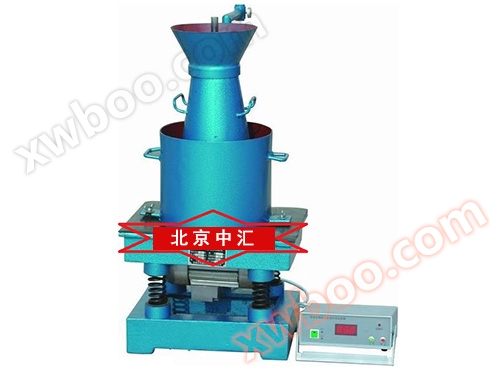
Beijing Experimental Instrument
Beijing Experimental Instrument is a precision testing instrument used to measure the mechanical properties, process performance, internal defects, an
Product details
Detailed description:
Purpose of Beijing experimental instruments
Beijing Experimental Instrument is a precision testing instrument used to measure the mechanical properties, process performance, internal defects, and dynamic unbalance of rotating components of metal materials, non-metal materials, mechanical parts, engineering structures, etc. under various conditions and environments. In the process of researching and exploring new materials, new processes, new technologies, and new structures, experimental instruments are an indispensable and important testing instrument. Widely used in industrial sectors such as machinery, metallurgy, petroleum, chemical, building materials, construction, aerospace, shipbuilding, highway engineering, municipal engineering, high-speed rail construction, cement construction, transportation, as well as relevant laboratories in colleges and research institutes. It plays an important role in effectively using materials, improving processes, enhancing product quality, reducing costs, and ensuring product safety and reliability.
Instruments and equipment provided by Beijing Experimental Instruments
The Beijing experimental instrument industry mainly produces and manufactures the following types of products:
1. Metal material testing instruments. (such as material testing machine, steel bar bending testing machine)
2. Non metallic material testing instruments. (such as electronic material testing machine, which is a metal material testing machine)
3. Packaging and process performance testing instruments (including packaging drop testing instruments, packaging impact testing instruments, friction and wear testing instruments, bending testing instruments, straightening machines, etc.);
4. Vibration table (including impact table and collision test table);
5. Non destructive testing instruments (ultrasonic flaw detector, steel bar position measuring instrument, foundation pile testing instrument, concrete radar, etc.);
6. Highway subgrade testing instruments (cement testing instruments, concrete testing instruments, mortar testing instruments, geotechnical testing instruments, waterproofing membrane testing instruments)
7. Railway construction testing instruments (for detecting railway subgrade cement, concrete, stones, and steel)
9. Construction Department building testing instruments (such as raw material testing instruments, building energy efficiency testing instruments, foundation testing instruments, municipal road testing instruments, etc.).
8. Functional accessories of testing instruments and testing instruments and equipment related to testing instruments.
Precautions
1. It should be placed in a dust-free and non corrosive environment at room temperature.
2. When not in use, the power should be turned off, and when not in use for a long time, it should be charged once a month.
3. Have sufficient overload capacity, but do not overload severely, otherwise it will cause damage to the sensor and render the instrument unusable.
4. Sensors are high-precision products, and the surface of the silicon film should not collide with solids, otherwise it will damage the sensor.
5. Without professional testing skills and specialized testing equipment, do not open the hood for maintenance, and do not adjust internal components or replace materials, otherwise the reliability of the instrument cannot be guaranteed.
6. Do not let electric soldering irons or other heating elements near the display screen to prevent burning and damaging the plastic material.
Y5. Maintenance of Instruments and Equipment:
(1) The maintenance of instruments and equipment must adhere to the principle of "equal emphasis on maintenance and prevention", achieve regular maintenance, mandatory maintenance, and correctly handle the relationship between use, maintenance, and repair. Clean, lubricate, adjust, tighten, and prevent corrosion of instruments and equipment, implement routine and regular maintenance systems, and strictly follow the cycles and inspection and maintenance items specified in the user manual.
(2) The maintenance of equipment must ensure quality, and be carried out item by item according to the prescribed items and requirements, without any omissions or omissions. Maintenance items, maintenance quality, and problems discovered during maintenance should be recorded properly; Maintenance personnel and departments should conduct self inspection, mutual inspection, dedicated inspection, and pass the handover in one go, continuously summarize maintenance experience, and improve maintenance quality.
(3) Routine maintenance is the cleaning and inspection carried out before, after, and during the operation of machinery, mainly checking the condition of critical and vulnerable components (such as mechanical safety devices), coolant, lubricants, fuel levels, instrument indicators, etc.
(4) Seasonal maintenance: The main content is to replace lubricating oil and fuel suitable for the season, take anti freezing measures, and increase anti freezing facilities.
(5) Running in period maintenance: After the running in period of new instruments and equipment is over, running in period maintenance must be carried out, mainly including cleaning, tightening, adjusting, and replacing lubricating oil.
(6) Transfer maintenance: Before transferring the instrument and equipment to the environment, transfer maintenance should be carried out, and the operation content can be maintained according to its technical condition. If necessary, anti-corrosion measures can be taken.
(7) Parking and maintenance: Instruments and equipment that are not in use or sealed should be maintained, mainly for cleaning, corrosion prevention, moisture prevention, etc.
(8) After the maintenance plan is completed, it should be carefully inspected and accepted, and relevant information should be compiled to ensure complete and truthful records.
Online inquiry
-
Contacts
-
Company
-
Telephone
-
Email
-
WeChat
-
Verification Code
-
Message Content
-